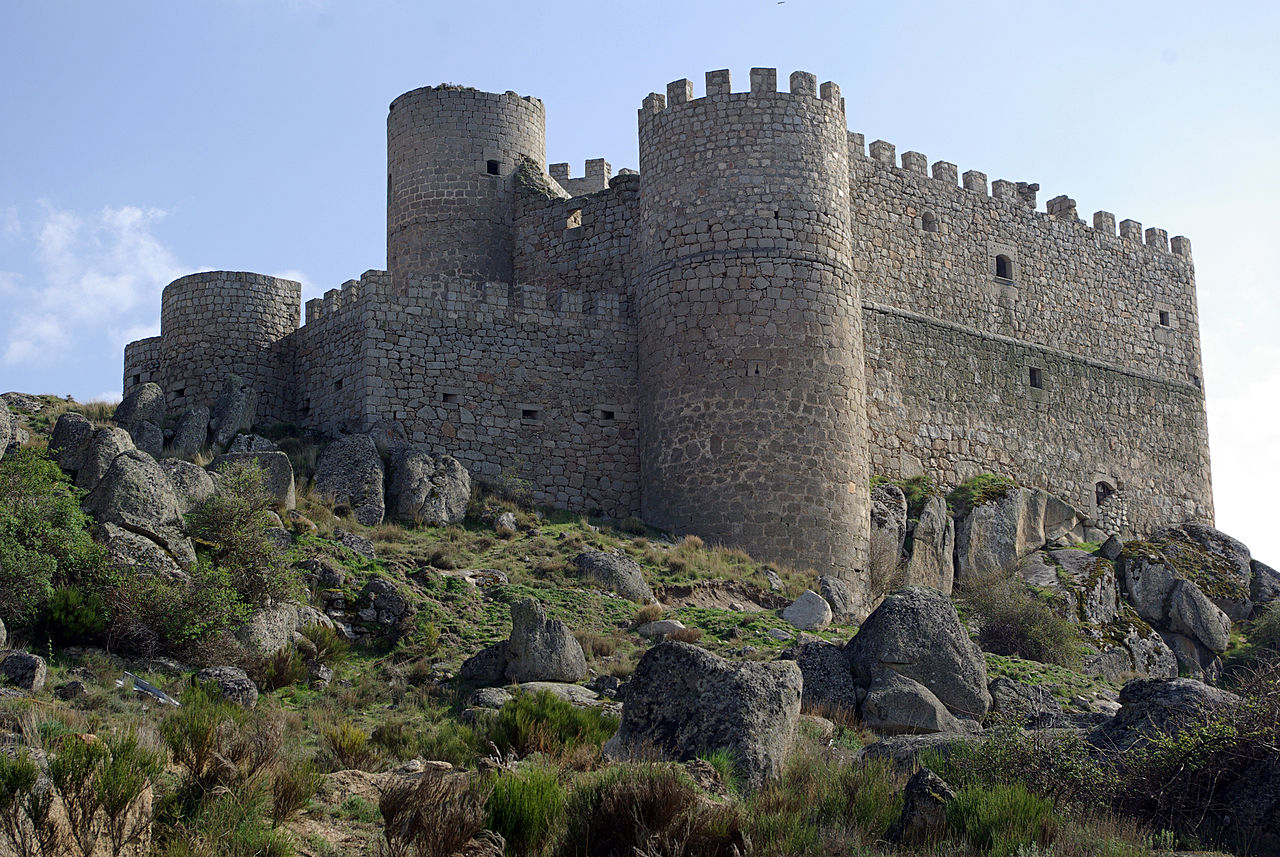
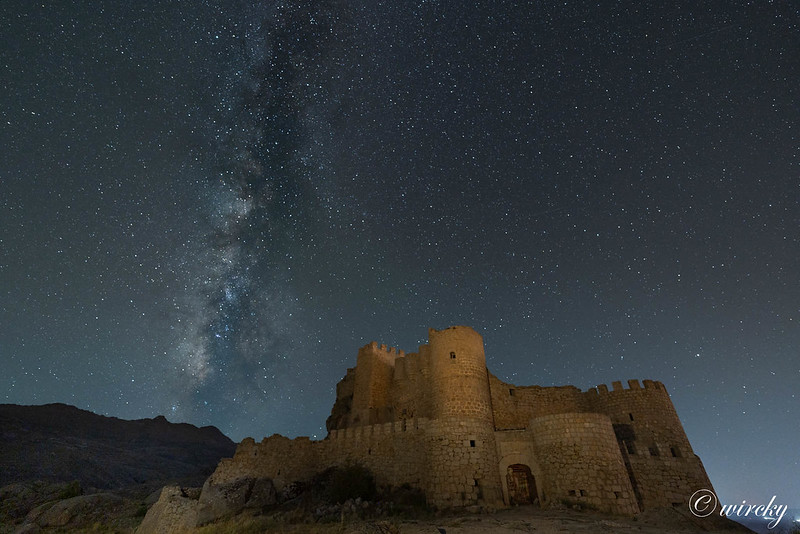
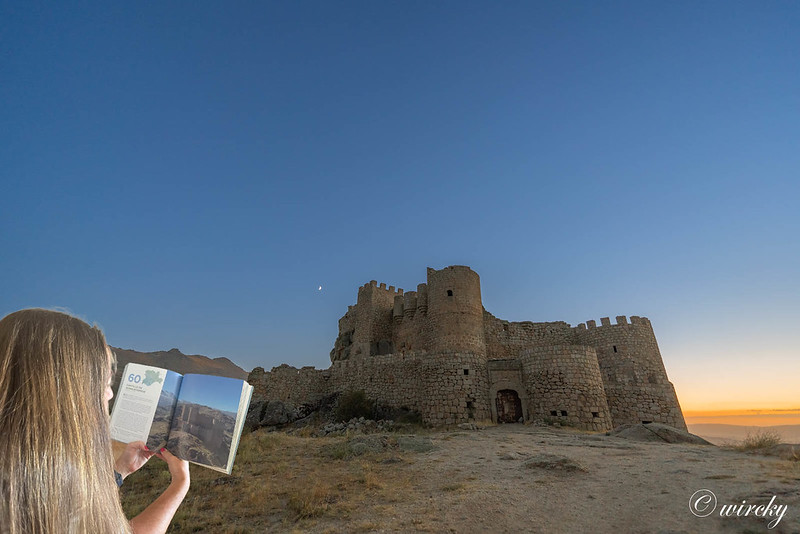
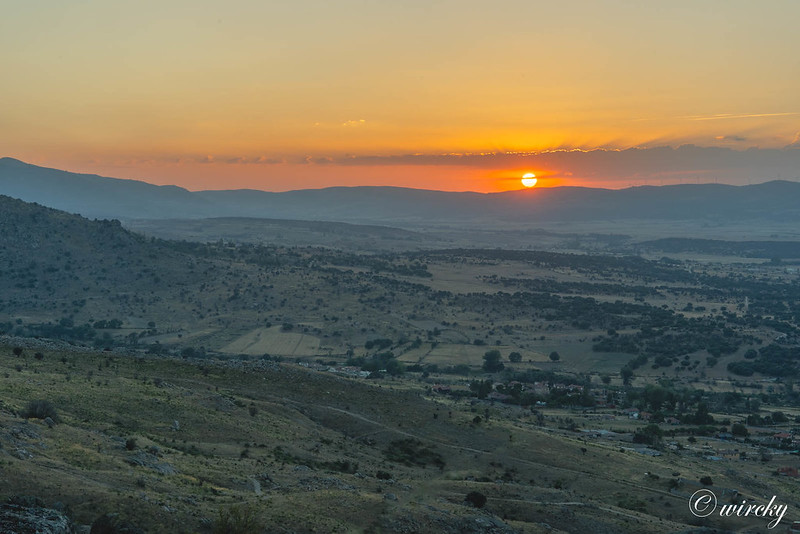
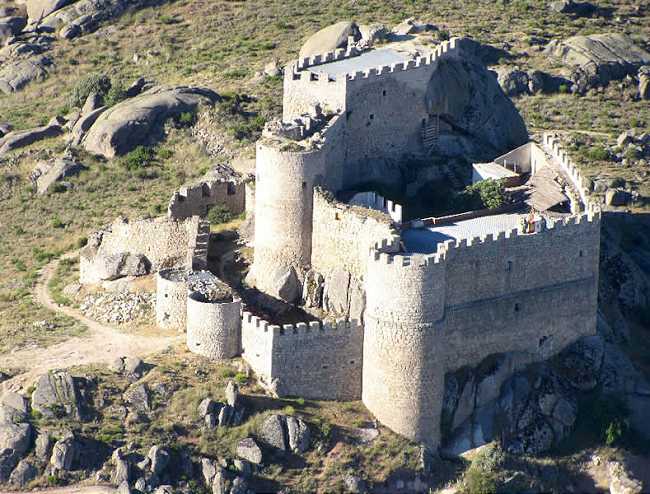
The Castle of Aunqueospese is a castle located in the municipality of Mironcillo, Ávila, at an altitude of 1,360 meters, overlooking the Amblés Valley. Privately owned.
It is an example of a European mountain or wild castle, with strong walls adapted to the rocky terrain on which it sits. Its origins are unknown, and it is mentioned in documents from the 11th and 12th centuries as a center for various military expeditions and reconquests against the Muslims. Its completion date is known, by Esteban Dávila, in the 16th century.
It is surrounded by an aura of mystery and legend, due to its strange location, construction, and legendary origins.
Access
3 km from the town center, it can be accessed via a path from Mironcillo.
History
Although a previous fortification probably existed in the 12th century, the construction of the castle of Aunqueospese was initiated by the Dávila lineage, descendants of Esteban Domingo, a branch of the thirteen roeles, lords of Villafranca and Las Navas, and later Counts of Risco. From the Dávila family, it passed through marriage to the Medinaceli family and was later sold to the Duke of Abrantes in 1850. In the 20th century, in 1956, the residents of Mironcillo bought it, and in 1975, it was sold to its current owner. It has never been owned by any government.
There are various legends that mention the castle in the early days of the Reconquista, love affairs between the knight Nalvillos and Aixa Galiana, border wars between Arabs and Christians, or the love of Don Alvar Dávila and Guiomar.
It was in 1490 that the fortress was rebuilt by Pedro Dávila, Lord of Villafranca and captain of the Duke of Alba, on a strategic territory in the Ávila mountain range, usurped from the community of Ávila. The latter filed a lawsuit that forced the work to be halted, and it was completed by Esteban Dávila, the former’s son, who added the artillery loopholes and other defensive and architectural elements of the time.
The history of this castle is closely linked to the legends surrounding it, making a rigorous historical analysis that could shed light on its unusual historical and architectural elements difficult. It is known, however, that it controlled the passage from the land of Ávila to the Amblés Valley and the Paramera mountain range, and that its Gothic-style construction, with an irregular floor plan adapting to the rock, makes it one of the finest examples of a mountainous rock castle in Europe.
The castle has been the subject of several legends, in which its challenging name, “Aunqueospese” also plays a significant role. It refers to thwarted love, centuries-old rivalries between knights of the city of Ávila, or raids or battles between Moors and Christians. It is also known as “Manqueospese,” a synonymous variant of “Mal que os pese” (Even if it bothers you), or “Castillo del Risco” (Castle of the Risco).
It is privately owned (house of Arribas and Rubio Davila). Its current state is in ruins (2025).
It was declared a Historic-Artistic Monument on June 3, 1931 and therefore a Site of Cultural Interest.